
Get Started!

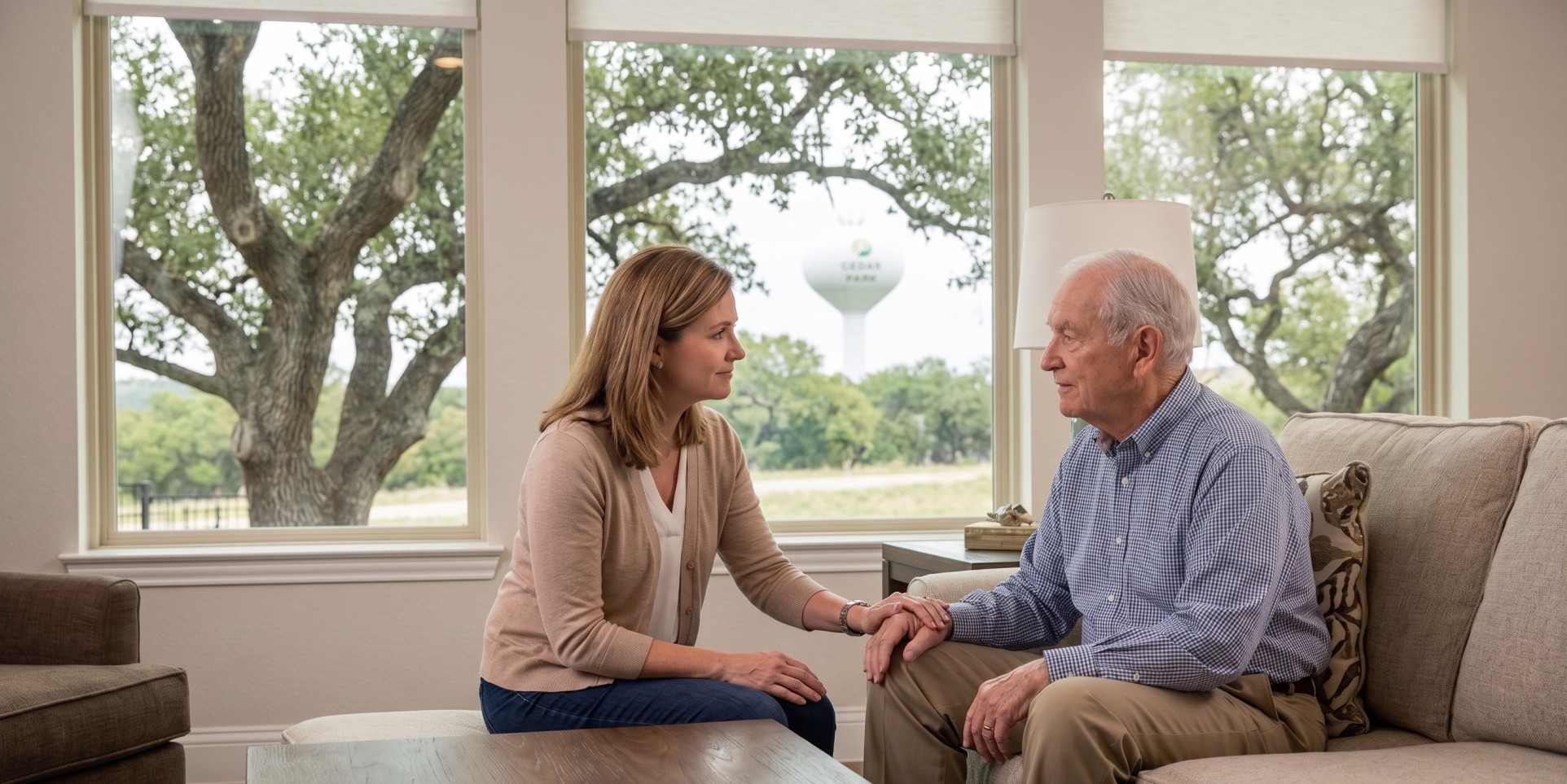
Watching your parents get older is one of the most emotionally heavy experiences you will ever face. The strong, capable people who once carried you are now the ones who need your steady hand. However, flipping that parent-child dynamic is incredibly difficult. Most seniors fiercely value their independence. They want to stay in the home they love, making any conversations about outside help highly stressful and filled with guilt for the entire family.
At ComForCare North Austin, operated by Dr. Akanksha Bist, we hold the hands of families going through this exact struggle every single day. We know the sleepless nights you spend worrying about their safety. We hear the exhaustion in your voice when you call us saying, “They just won’t listen to me.”
If you are desperately looking for a compassionate Home care service in Cedar Park that truly feels like family, you have found the right place. Our caregivers like Nicole, Mahogany, and Brittany have gently helped hundreds of resistant seniors not only accept care, but actually look forward to our visits. We strive to be an absolute lifesaver for families navigating these rough, emotional waters. If you are struggling to start this transition, here is our expert, heart-to-heart guide on how to navigate this sensitive subject.
Before we discuss strategies, we have to understand the resistance. Convincing elderly parents to accept help feels like an uphill battle because, to them, accepting help often feels like admitting defeat.
Your parents have spent decades building their lives, raising a family, and managing their own household. When you suggest bringing a stranger into their home, their immediate thought is usually fear. They worry about losing their privacy, their routine, and most importantly, their independence. They fear that accepting a caregiver is the very first step toward being forced into a nursing facility.
By understanding these deep-seated fears, you can approach the conversation with much more compassion. Your goal isn’t to boss them around; your goal is to partner with them to find a safe solution.
Timing and tone mean everything. When you are looking for the best senior care conversation tips, the number one rule is to never have this discussion during a crisis. If Mom just fell, or Dad just got back from the hospital, emotions are running too high.
Instead, look for a quiet, calm afternoon to bring up the subject. Here are our top tips for having the care conversation with aging parents:
| Strategy | What to Say (Do) | What to Avoid (Don’t) |
|---|---|---|
| Addressing Safety | “I get anxious when you are home alone. Can we explore some safety options together?” | “You are going to hurt yourself. You can’t live alone anymore.” |
| Discussing Chores | “Let’s hire someone to handle the heavy laundry so you can focus on your garden.” | “Look at this mess. You obviously need a maid to clean up.” |
| Introducing Caregivers | “This is a trial run. We can stop if you do not like the person.” | “I already hired someone. They start tomorrow morning.” |
| Handling Resistance | “I hear you. Let’s think about it and talk again next week.” | “You are being stubborn. You have to do this for your own good.” |
One of the biggest mistakes families make is trying to overhaul a senior’s entire life all at once. When figuring out how to approach elderly parents about needing home care, the best strategy is always to start incredibly small.
Do not immediately hire someone for 40 hours a week. Instead, introduce a caregiver for just a few hours a week to help with light housekeeping or running errands. Frame it as a luxury service rather than a medical necessity. You can say, “Mom, you have worked hard your whole life. Let’s get someone to help with the heavy grocery bags so you don’t have to strain your back.”
Once they realize that a caregiver is there to make their life easier not to take over their home the resistance usually melts away. They quickly build a bond, and the caregiver simply becomes an extension of the family.
Sometimes, no matter how gently you approach the subject, seniors simply will not listen to their children. This is a very common family dynamic. When you hit this wall, how to convince seniors to accept help at home often requires bringing in a neutral third party.
Doctors, trusted friends, or community leaders often hold a different level of authority. A parent who refuses to listen to their daughter might completely agree when their primary care physician suggests getting a little extra help at home.
You can also leverage our professional team. At ComForCare North Austin, we are highly trained in easing these transitions. We sit down with families in Cedar Park and the surrounding areas to answer every single question the senior has. We let them drive the conversation, giving them back a sense of control.
If your aging parent is dealing with memory issues, the conversation completely changes. Seniors facing Alzheimer’s or dementia often lack the cognitive ability to recognize their own decline. They truly believe they are perfectly fine.
In these situations, logical arguments will not work. You have to rely on professional dementia care strategies. Our DementiaWise certified caregivers know exactly how to integrate into the home without causing alarm, using redirection and gentle assistance to keep your loved one safe.
Having these tough conversations is emotionally exhausting. You are part of the “sandwich generation,” trying to balance your own career, your kids, and your own life, all while carrying the heavy, unspoken worry of your parents’ declining health. It is okay to admit that you are tired. It is okay to ask for help. You simply do not have to carry this massive burden entirely on your own shoulders.
Our team provides the deep, compassionate, and professional support your family needs to finally breathe a sigh of relief. When you partner with us, we treat your parents with the exact same dignity, love, and respect that we would demand for our own mothers and fathers.
If you are ready to start exploring care options, or if you just need a friendly voice to give you advice on how to broach the subject with a stubborn parent, we are always here to listen. Contact us today to learn how we can help your aging parents live their best, safest life right at home.
Q: When is the right time to bring up home care?
A: Honestly, don’t wait for a crisis. The worst time to talk about this is right after a fall or hospital stay when everyone is stressed out. Just mention it casually over coffee to plant the seed early.
Q: What if they just won’t listen to me?
A: That happens all the time! Parents often tune out their kids. Try having their doctor or a trusted friend suggest it. Or, let our care team at ComForCare have a quick chat with them—they usually listen much better to a neutral third party.
Q: How do we start without them feeling like they’ve lost their independence?
A: Start super small. Maybe just have someone come by for two hours a week to help with heavy laundry. Once they realize the caregiver is just there to make life easier, the defensive walls come down pretty fast.
Q: What if Mom has dementia and doesn’t think she needs help?
A: You can’t use logic here, and that’s totally okay. For memory issues, you need a specialized caregiver who knows how to step in gently and use distraction, so your mom stays safe without ever feeling anxious or bossed around.

Each office is independently owned and operated and is an equal opportunity employer.

© 2026 ComForCare Franchise Systems, LLC.